
Multi-Vehicle Pileups During the Holidays: Untangling Fault and Getting Fair Compensation
Posted by Laura Yutzy on November 25th, 2025 - Truck Accidents
Multi-Vehicle Pileups During the Holidays: Untangling Fault and Getting Fair Compensation
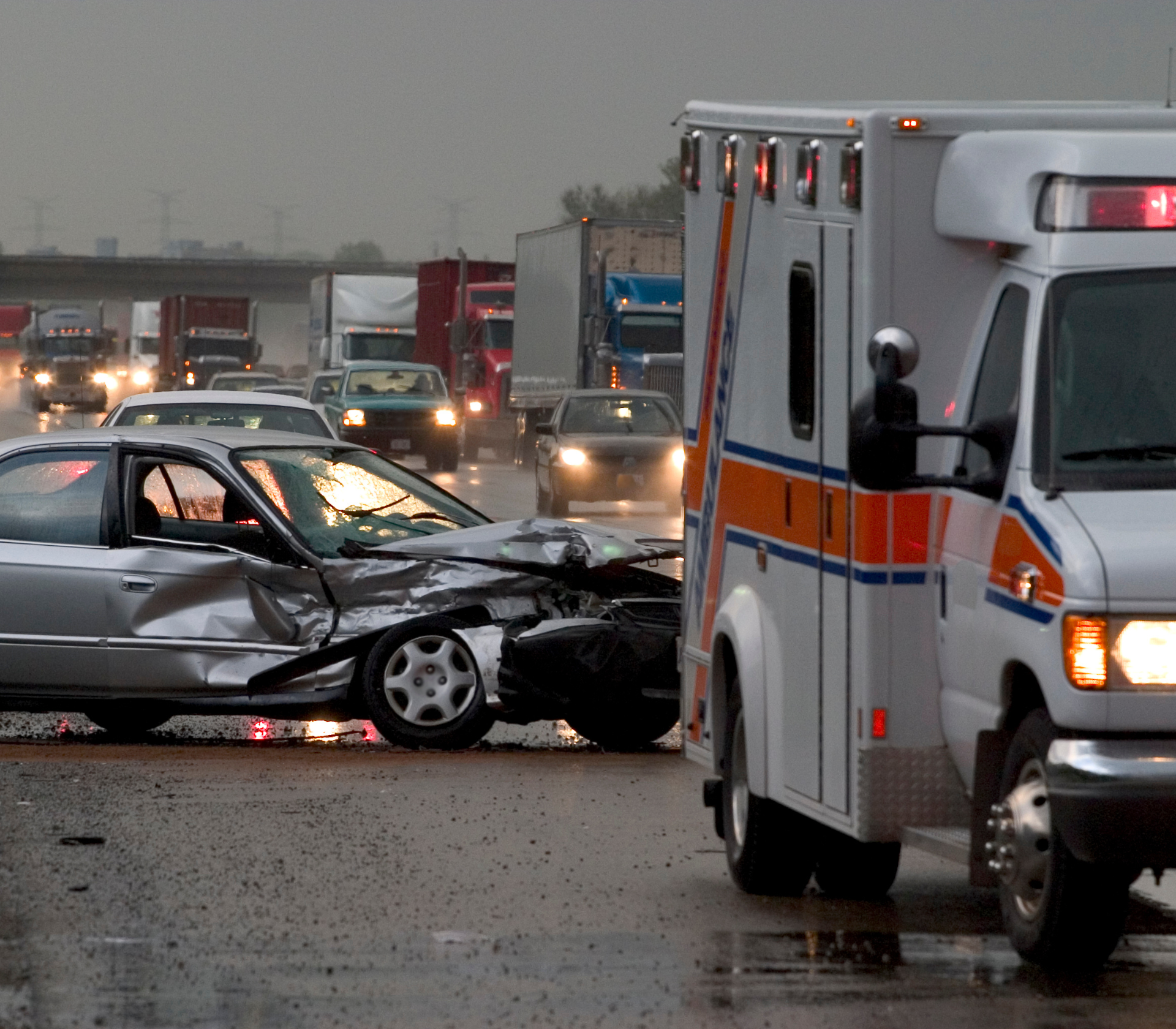
Holiday travel increases traffic volume across San Diego’s freeways and surface streets. When congestion, fatigue, and distraction combine, multi-vehicle pileups become far more common — and far more complex — than standard two-car accidents.
For injured victims, these crashes raise immediate questions: Who is actually at fault? How does compensation work when multiple drivers are involved? And why do insurance companies fight these claims so aggressively?
Why Holiday Travel Leads to Chain-Reaction Crashes
Multi-vehicle pileups often begin with a single moment of inattention. A driver following too closely, braking too late, or looking down at a phone can trigger a chain reaction involving several vehicles within seconds.
Holiday travel amplifies these risks. Roads are more crowded, drivers are often unfamiliar with their routes, and fatigue is common after late-night gatherings or long travel days. According to the National Highway Traffic Safety Administration, periods of increased travel and congestion are consistently associated with higher rates of multi-vehicle crashes, particularly rear-end collisions that escalate into pileups.
Why Multi-Vehicle Accidents Are Legally Different
Unlike a typical car accident, a pileup is rarely treated as a single event. Instead, it is analyzed as a sequence of impacts, each with its own potential causes and contributing factors.
California follows a comparative fault system. This means more than one driver can be legally responsible, and fault is assigned by percentage. A driver who caused the initial collision may bear significant responsibility, but subsequent drivers can also be held accountable if they were speeding, distracted, or following too closely.
Because liability is divided, the outcome of these cases depends heavily on evidence, timing, and reconstruction — not just the police report.
How Fault Is Determined in a Pileup
Investigators look at how each collision occurred, not just where vehicles ended up. They examine vehicle damage patterns, skid marks, witness statements, and sometimes electronic vehicle data to understand reaction times and driver behavior.
Insurance companies often attempt to simplify this process by shifting blame broadly or minimizing their insured’s role. Without careful analysis, injured victims may see their compensation reduced simply because fault is spread across multiple parties.
This is one reason pileup claims are frequently delayed or underpaid.
Injuries Commonly Seen in Multi-Vehicle Crashes
Multi-vehicle collisions often result in more severe injuries than single-impact crashes due to repeated forces on the body. Victims may suffer traumatic brain injuries, spinal injuries, fractures, or internal trauma. Symptoms do not always appear immediately, especially when adrenaline masks pain at the scene.
Delayed diagnosis is common in these cases and is often used by insurers to challenge causation, even though delayed-onset injuries are well documented in medical literature.
Why Insurance Companies Push Back
From an insurance perspective, pileups represent higher financial exposure and greater uncertainty. Multiple policies, multiple drivers, and conflicting narratives create opportunities for insurers to dispute liability, delay resolution, or pressure victims into early settlements.
Typically, complex liability claims involving multiple parties are among the most heavily contested, particularly when serious injuries are involved.
Without strong advocacy, victims may be left navigating multiple adjusters while trying to recover from serious injuries.
Protecting Your Rights After a Holiday Pileup
If you are involved in a multi-vehicle crash, seeking medical attention promptly is critical, even if injuries seem minor. Documentation, consistency, and timing matter. Avoid making recorded statements or accepting early settlements before the full extent of your injuries is known.
These cases require careful coordination, not rushed decisions.
How Phillips & Pelly Approaches Multi-Vehicle Accident Claims
Phillips & Pelly represents clients injured in complex traffic accidents throughout San Diego. Our attorneys understand how fault is evaluated in chain-reaction crashes and how insurers attempt to dilute responsibility.
We focus on evidence preservation, liability clarity, and presenting injuries in a way that reflects their true impact — medically and legally. Consultations are confidential, and there is no fee unless compensation is recovered.
Related Articles
-
Posted by Laura Yutzy on July 10th 2024 - Truck Accidents
Top 5 Steps to Take After a Car Accident in San Diego
-

Posted by Oliver Pelly on July 10th 2024 - Truck Accidents
Top 3 Reasons for Motorcycle Accidents in San Diego and How to Avoid Them
-

Posted by Laura Yutzy on October 14th 2026 - Truck Accidents
Personal Injury Settlements in San Diego: How They’re Calculated
-

Posted by Laura Yutzy on October 5th 2026 - Truck Accidents
Hit by a Car on Your Bike: Do You Need a Lawyer?