
Uber Accidents Involving Third-Party Drivers: Who Pays When Everyone Denies Fault?
Posted by Laura Yutzy on December 30th, 2025 - Car Accidents, Uber Accidents, Uninsured Motorist Car Accidents
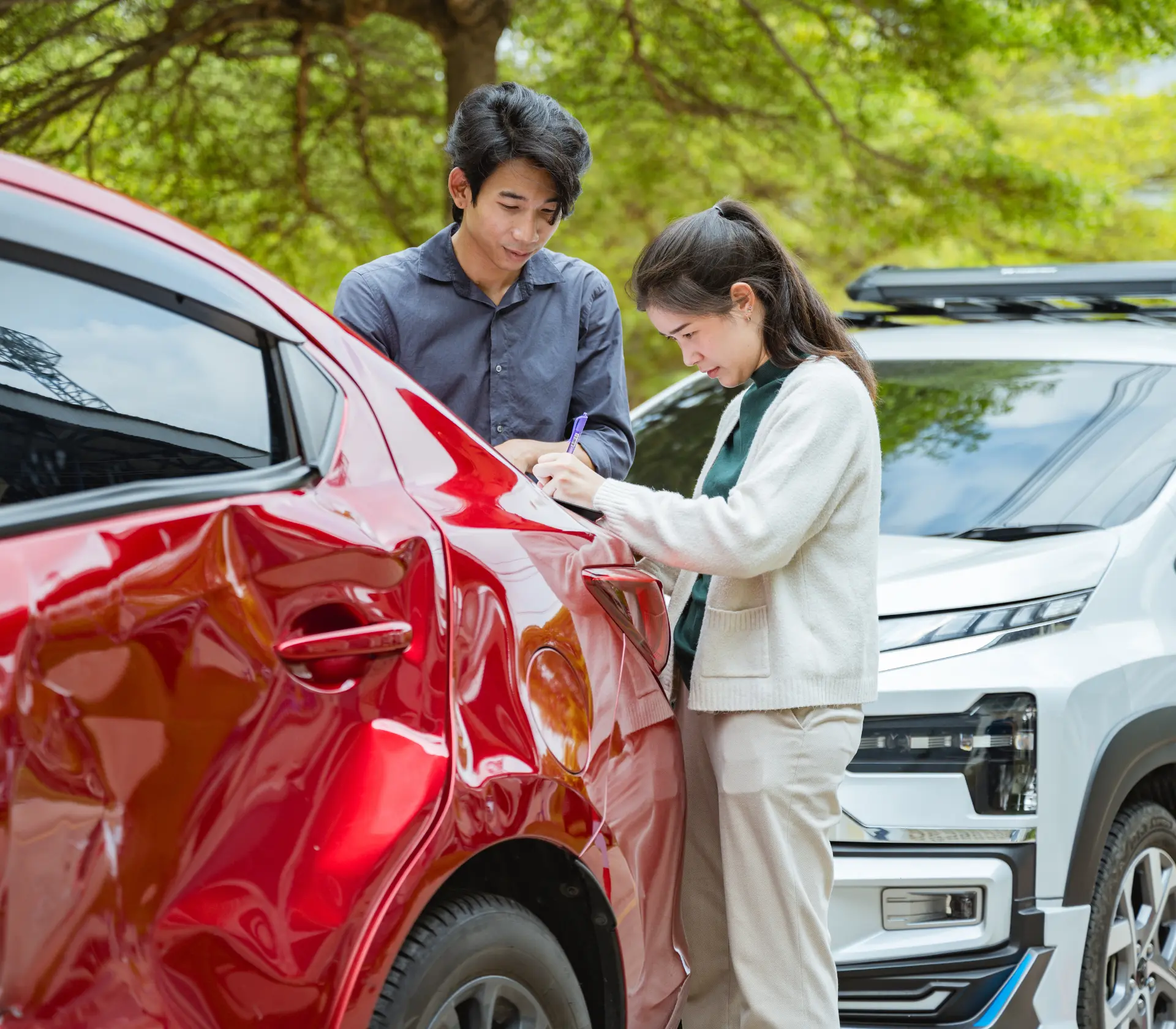
Uber accidents often look straightforward at first. There was a crash, someone was hurt, and insurance should cover it. But when a third-party driver is involved, these cases quickly become some of the most disputed and delayed personal injury claims in California.
Victims are often caught between multiple insurers, each pointing the finger elsewhere. Uber’s insurer may claim another driver caused the crash. The other driver’s insurer may argue the Uber driver was responsible. Meanwhile, the injured person is left waiting for answers while medical bills pile up.
Understanding how liability works in these situations is critical to protecting your claim.
Why Third-Party Uber Accidents Are More Complicated Than Standard Car Crashes
When a crash involves two private drivers, fault is typically resolved between two insurance companies. Uber accidents introduce an additional layer of complexity because liability depends not only on how the crash occurred, but also on the Uber driver’s status within the app at the exact moment of impact.
Uber drivers are classified differently depending on whether they were logged into the app, waiting for a ride request, or actively transporting a passenger. Each phase triggers different insurance coverage and different legal obligations. When a third-party driver is added to the equation, insurers often dispute which policy applies first, or whether Uber’s coverage applies at all.
These disputes can significantly delay compensation unless the claim is properly documented and aggressively pursued.
How Fault Is Determined When Uber and Another Driver Are Involved
California follows a comparative fault system, meaning multiple parties can share responsibility for a crash. In Uber-related collisions involving a third-party driver, fault is usually evaluated by examining driving behavior, traffic violations, vehicle positioning, and timing.
Investigators look at whether the Uber driver was distracted by the app, speeding to complete a ride, or failing to yield. They also assess whether the third-party driver violated traffic laws, made an unsafe lane change, or was impaired. In many cases, both drivers may share some degree of responsibility.
Because fault can be divided, insurers often attempt to minimize their exposure by exaggerating the other party’s role. This is where many claims stall without legal intervention.
Insurance Coverage Disputes Are Common in Multi-Party Uber Crashes
Uber’s insurance coverage is tiered. If the driver was logged out of the app, only the driver’s personal auto insurance applies. If the app was on and the driver was waiting for a ride, Uber provides limited liability coverage. Once a ride is accepted or a passenger is in the vehicle, Uber’s commercial policy applies, which may provide up to one million dollars in liability coverage.
In third-party accidents, insurers may dispute the driver’s app status, delay confirming coverage, or argue that another policy should pay first. These tactics are well-documented and can leave injured victims facing unnecessary delays.
The California Department of Insurance explains that determining applicable coverage in rideshare accidents often requires careful documentation and policy analysis, particularly when multiple insurers are involved.
Evidence That Becomes Critical When Liability Is Contested
Third-party Uber accident claims succeed or fail based on evidence. Police reports alone are often insufficient. App data showing the driver’s status, GPS records, dashcam footage, witness statements, and vehicle damage analysis all play a role in establishing fault and triggering the correct insurance coverage.
Uber maintains electronic records that can confirm whether a driver was logged into the app or actively transporting a passenger. Preserving this data early is essential, as delays can result in lost or overwritten records. According to Uber’s publicly available insurance disclosures, coverage determinations depend heavily on driver status at the time of the incident.
Medical documentation also matters. Delays in treatment are often used by insurers to argue that injuries are unrelated or exaggerated, especially when liability is contested.
Why Early Legal Involvement Can Change the Outcome
When multiple insurers are involved, injured victims rarely benefit from handling claims alone. Each insurer has an incentive to reduce its payout or shift responsibility elsewhere. Legal representation helps ensure that evidence is preserved, coverage disputes are addressed promptly, and fault is accurately evaluated.
Experienced counsel can coordinate investigations, communicate directly with insurers, and prevent claimants from making statements that may later be used against them. In complex Uber accident cases, early legal action often determines whether compensation is delayed, reduced, or denied altogether.
For a broader overview of how these cases are handled locally, see our guide to Uber accident claims in San Diego, which explains how rideshare cases differ from traditional car accidents and what victims should expect during the claims process.
Moving Forward After a Third-Party Uber Accident
Uber accidents involving third-party drivers are rarely simple. Liability disputes, layered insurance coverage, and corporate policies create challenges that don’t exist in standard car crashes. Victims who understand these complexities and act quickly are far better positioned to protect their rights.
If you were injured in an Uber accident involving another driver, understanding who pays and why is the first step toward securing fair compensation.
Related Articles
-
Posted by Laura Yutzy on July 10th 2024 - Car Accidents, Uber Accidents, Uninsured Motorist Car Accidents
Top 5 Steps to Take After a Car Accident in San Diego
-
Posted by Oliver Pelly on July 10th 2024 - Car Accidents, Uber Accidents, Uninsured Motorist Car Accidents
Top 3 Reasons for Motorcycle Accidents in San Diego and How to Avoid Them
-
Posted by Laura Yutzy on October 14th 2026 - Car Accidents, Uber Accidents, Uninsured Motorist Car Accidents
Personal Injury Settlements in San Diego: How They’re Calculated
-
Posted by Laura Yutzy on October 5th 2026 - Car Accidents, Uber Accidents, Uninsured Motorist Car Accidents
Hit by a Car on Your Bike: Do You Need a Lawyer?