
Uber Accidents in San Diego: Insurance, Liability, and Your Rights
Posted by Laura Yutzy on April 23rd, 2026 - Car Accidents, Rideshare Accidents, Uber Accidents
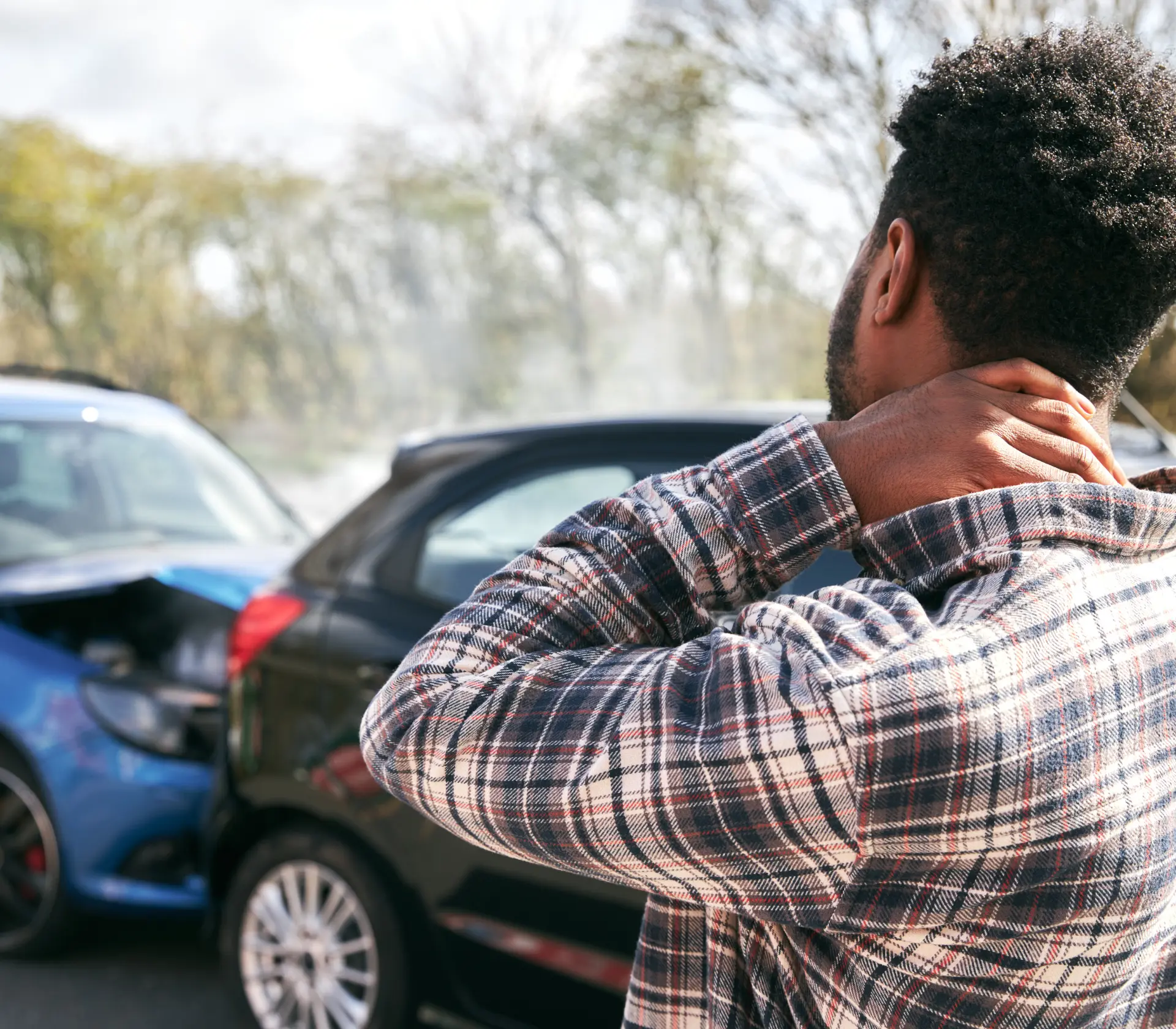
Every week we meet riders and drivers blindsided by Uber accidents in San Diego—rear-ends on I-5, side-swipes outside Petco Park, distracted-driver crashes during Comic-Con. Rideshare cases look simple until the paperwork starts:
- Two insurers point fingers.
- Uber’s adjuster insists the “app was off.”
- Medical bills arrive before liability is clear.
Below, we explain how California treats Uber and Lyft crashes, why the coverage can reach $1 million, and the steps that protect your claim.
1. Three insurance layers that decide who pays
California classifies Uber as a Transportation Network Company (TNC). State rules require tiered coverage that changes the moment a driver taps the app (CPUC Decision 15-03-023).
| Period | Driver status | Minimum coverage (per CA law) | Primary carrier |
| 0 | App OFF | Driver’s personal policy | Personal insurer |
| 1 | App ON, waiting for a ride request | $50k/person BI$100k/incident BI$30k PD$200k excess liability | Driver’s policy first; Uber excess |
| 2 | Ride accepted, en-route to pick-up | $1 million third-party liability$1 million UM/UIM | Uber |
| 3 | Rider in vehicle through drop-off | $1 million third-party liability$1 million UM/UIM | Uber |
(BI = bodily injury, PD = property damage, UM/UIM = uninsured/under-insured motorist)
Uber publishes its current policy limits here: Uber insurance overview.
Why the “period” matters:
- Period 2–3 crashes unlock the $1 million commercial policy.
- Period 1 relies on lower limits and sometimes a personal policy gap.
- Period 0 keeps Uber completely out—crucial when evidence is thin.
2. Who can you sue after an Uber crash?
| Scenario | Potential defendants | Key evidence we secure |
| Uber driver rear-ends stopped traffic | Uber driver & insurer | Trip logEDR (black-box) dataPolice report |
| Distracted third-party driver hits your Uber | Other driver & carrierUber’s UM/UIM policy | Cell-phone recordsDash-cam videoWitness statements |
| Hit by a speeding Uber while walking | Uber driver & insurerCity (walk-signal malfunction) | Surveillance footageTraffic-signal timing logs |
| Airbag fails in Uber vehicle | Auto manufacturer | Vehicle downloadRecall bulletinsCrash-test data |
| Passenger assaulted by Uber driver | Uber (negligent hiring/retention) | Background-check recordsPrior in-app complaints |
California lets you pursue all negligent parties; you’re not locked into the one who handed you a business card at the scene.
3. Extra challenges in rideshare crashes
- Independent-contractor defense – Uber claims drivers are not employees. You need proof of negligent hiring, faulty safety policies, or willful misconduct to reach corporate assets.
- Data-retention windows – Trip logs and in-car video can auto-purge in 30–90 days. We serve preservation letters immediately.
- Gap arguments – Adjusters argue the driver toggled off seconds before impact. Without timely screenshots or phone-forensic subpoenas, the claim can drop from $1 million to $15k.
4. Injuries we see most often—and why they cost more
| Injury | Hidden costs Uber offers rarely cover |
| Cervical/lumbar disc herniation | Multi-level fusion surgery, lifelong PT, future wage loss |
| Mild-traumatic brain injury | Neuro-cognitive therapy, lost promotions, mood changes |
| Complex fractures (tibia, pelvis, ribs) | Internal fixation hardware, arthritis, career change |
| PTSD/anxiety | Counseling, diminished quality of life |
Workers with gig-economy or tip-based income often suffer wage-loss disputes; we use tax returns and vocational experts to prove true earnings.
5. Timeline: how an Uber accident claim unfolds
| Day 0–2 | 911, ER visit, screenshots, police report filed |
| Week 1 | We send preservation letters to Uber, driver, third-party carrier |
| Week 2–6 | Medical follow-up, property-damage payout, initial comp‐offer (usually low) |
| Month 3–6 | Full diagnosis, wage-loss proof, demand package to carriers |
| Month 6+ | Settlement negotiation or lawsuit filing (2-year CA statute of limitations) |
Delay hurts: California’s two-year statute of limitations on personal-injury suits applies even when insurance talks drag on.
6. How to strengthen your Uber claim
- Use the app screenshot shortcut – On iOS/Android, press Power+Volume Up as soon as you’re safe.
- Request EMS transport – Ambulance and hospital records document injury severity from hour one.
- Save receipts – Medication, Uber fare, tow fees; we include them in economic damages.
- Keep treatment consistent – Gaps invite “you must be fine” arguments.
- Let us field adjuster calls – Recorded statements shape the entire valuation.
Need to report unsafe driver conduct? File a complaint with CPUC’s TNC Consumer Portal—it time-stamps the driver’s misconduct on a state system.
7. Frequently asked questions
Q1 • Will filing a claim raise my Uber rating?
No. Ratings are for driver–rider behavior, not insurance claims.
Q2 • Can I get both Uber money and my own UM coverage?
Yes—your insurer can pay excess once Uber’s limits exhaust.
Q3 • Does Lyft work the same way?
Yes. Lyft mirrors Uber’s period-based limits under CPUC rules.
Q4 • What if my driver was off-duty but still had the logo light on?
The light alone doesn’t prove Period 1+. We subpoena app-server data to lock it down.
Q5 • Statute of limitations?
Two years for bodily injury (CA Civ. Proc. § 335.1). Government claims (unsafe road) require a six-month administrative filing.
8. Why riders choose Phillips & Pelly
- Rideshare-specific litigation track record – We’ve resolved Uber and Lyft cases for spinal injuries, pedestrian impacts, and wrongful deaths.
- Rapid digital-evidence team – We subpoena trip logs, telematics, and driver-phone data before they vanish.
- Trial reputation – Carriers know we will take a verdict when offers stall.
- No fee unless we win – You pay nothing up front; our fee comes from the recovery.
9. Free, zero-obligation consultation
Insurance adjusters start shaping the story within hours. Talk to us first. One call locks in evidence and protects your right to the full recovery the law allows.
Get answers today: Free case review
Related Articles
-
Posted by Laura Yutzy on July 10th 2024 - Car Accidents, Rideshare Accidents, Uber Accidents
Top 5 Steps to Take After a Car Accident in San Diego
-
Posted by Oliver Pelly on July 10th 2024 - Car Accidents, Rideshare Accidents, Uber Accidents
Top 3 Reasons for Motorcycle Accidents in San Diego and How to Avoid Them
-
Posted by Laura Yutzy on September 16th 2026 - Car Accidents, Rideshare Accidents, Uber Accidents
Should You Give the Other Driver’s Insurance Company a Recorded Statement After a California Car Accident?
-

Posted by Laura Yutzy on September 10th 2026 - Car Accidents, Rideshare Accidents, Uber Accidents
Can You File a Personal Injury Claim If You Didn’t Go to the Hospital Right Away?