
How Motorcycle Accidents Differ From Car Accidents in California
Posted by Laura Yutzy on January 8th, 2026 - Car Accidents, Motorcycle Accidents
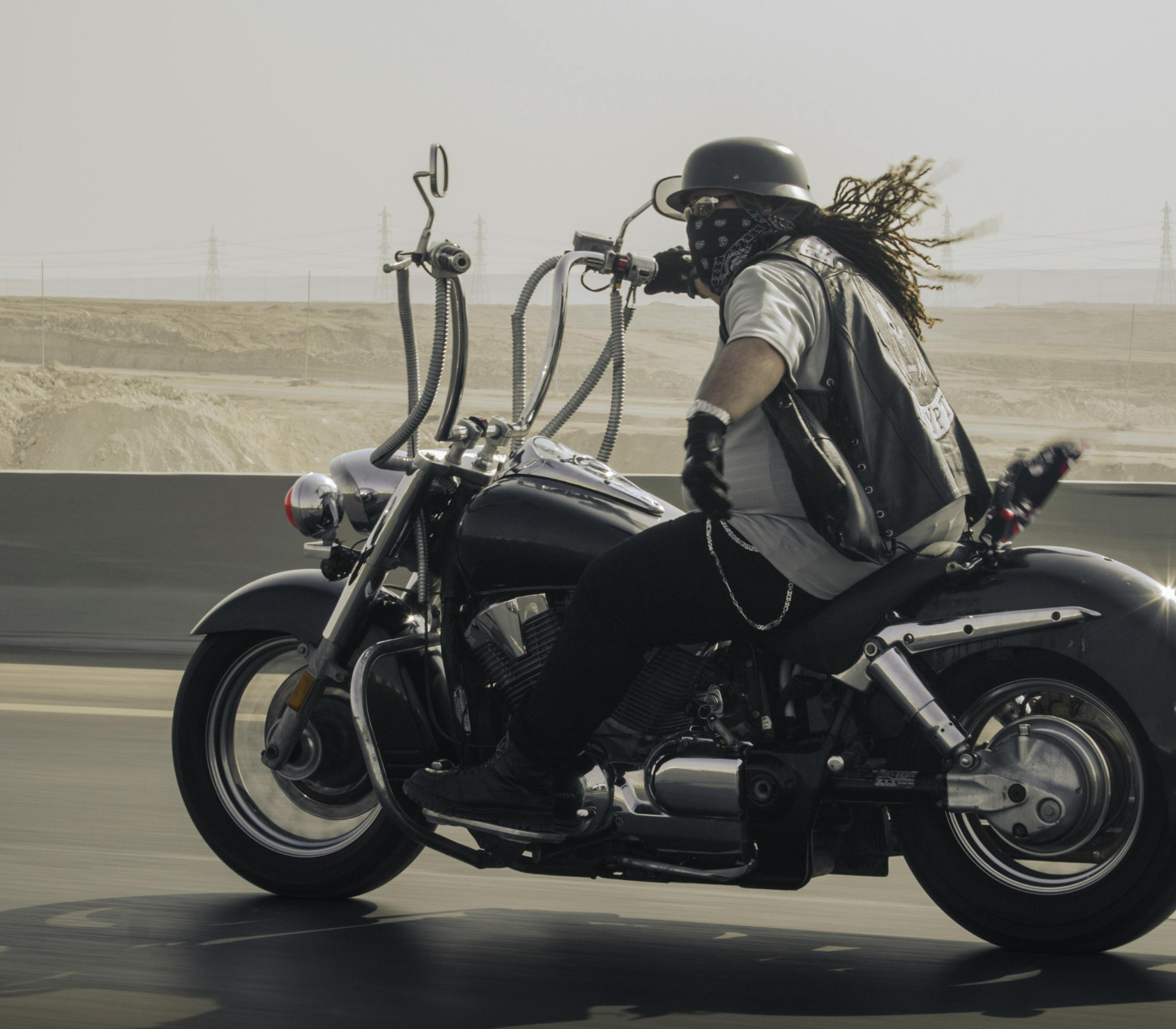
Motorcycle accidents are often discussed alongside car crashes, but from a medical and legal standpoint, they are fundamentally different. Riders face unique risks, sustain different types of injuries, and encounter distinct challenges when seeking compensation after an accident.
Understanding how motorcycle accidents differ from car accidents is critical, not just for riders, but for anyone navigating an injury claim in California.
The Lack of Physical Protection Changes Everything
The most obvious difference between motorcycles and cars is protection. Car occupants are shielded by steel frames, airbags, seatbelts, and crumple zones designed to absorb impact. Motorcyclists have none of these safeguards.
When a collision occurs, a rider’s body often absorbs the full force of the crash. Even at lower speeds, this can result in severe trauma. Riders are frequently thrown from the motorcycle, striking pavement, other vehicles, or fixed objects. These dynamics make motorcycle accidents far more likely to result in catastrophic injuries than standard car crashes.
Injury Patterns Are More Severe and More Visible
Motorcycle accident injuries tend to be both more serious and more complex. Common injuries include traumatic brain injuries, spinal cord damage, multiple fractures, internal organ injuries, and extensive road rash that can lead to permanent scarring or infection.
Unlike many car accidents, where soft tissue injuries may develop gradually, motorcycle injuries are often immediately apparent and medically urgent. This severity affects not only medical treatment but also how claims are evaluated by insurers.
According to the National Highway Traffic Safety Administration, motorcyclists are significantly more likely to suffer fatal or life-altering injuries in a collision than occupants of passenger vehicles.
Fault Is Disputed More Aggressively in Motorcycle Cases
Motorcycle accident claims are often met with heightened skepticism. Insurers may attempt to argue that the rider was speeding, weaving through traffic, or otherwise engaging in risky behavior, even when evidence does not support those claims.
This bias does not typically appear in standard car accident cases to the same degree. Riders are more likely to face allegations of comparative fault, which can reduce compensation under California law if not properly challenged.
Establishing fault in a motorcycle accident often requires accident reconstruction, witness testimony, and careful analysis of road conditions, visibility, and driver behavior.
Visibility and Perception Play a Major Role
Many motorcycle accidents occur because drivers fail to see a rider or misjudge their speed and distance. Left-turn collisions, lane changes, and intersection crashes are particularly common.
In car accidents, visibility is rarely a central issue. In motorcycle cases, however, proving that a driver failed to yield or failed to observe traffic properly can be a key component of liability.
These perception issues also affect how juries and insurance adjusters evaluate claims, making thorough evidence collection essential.
Insurance Coverage and Compensation Challenges
Motorcycle accident claims often involve higher medical costs and longer recovery periods than car accident claims. At the same time, riders may face lower insurance coverage limits, particularly if multiple policies are involved.
Because damages are often substantial, insurers may scrutinize motorcycle claims more closely, dispute medical necessity, or challenge long-term care projections. This makes early documentation and accurate valuation of injuries especially important.
For riders injured by another motorist, these cases still fall under California’s broader auto liability framework. Additional context on how serious vehicle injury claims are handled is available in our overview of car accident injury claims.
Helmet Use and Legal Considerations
California law requires all motorcyclists to wear helmets. While helmet use can significantly reduce the risk of fatal head injuries, it does not prevent many other serious injuries common in motorcycle crashes.
Importantly, helmet compliance does not eliminate a rider’s right to compensation. However, insurers may attempt to use helmet-related arguments to minimize claims, even when injuries are unrelated to head trauma.
Understanding how safety compliance intersects with liability is another area where motorcycle cases differ from standard car accidents.
Why Motorcycle Accident Claims Require a Different Legal Approach
Because motorcycle accidents involve greater injury severity, more aggressive fault disputes, and unique accident mechanics, they require a different legal strategy than typical car accident cases.
Successful claims often depend on early investigation, medical expert input, and clear presentation of how the crash occurred and why the rider was not at fault. Treating a motorcycle case like a routine car accident can result in undervalued claims or missed compensation.
For riders injured in serious collisions, understanding these differences is essential to protecting both physical recovery and financial stability.
Related Articles
-
Posted by Laura Yutzy on July 10th 2024 - Car Accidents, Motorcycle Accidents
Top 5 Steps to Take After a Car Accident in San Diego
-

Posted by Oliver Pelly on July 10th 2024 - Car Accidents, Motorcycle Accidents
Top 3 Reasons for Motorcycle Accidents in San Diego and How to Avoid Them
-

Posted by Laura Yutzy on May 19th 2026 - Car Accidents, Motorcycle Accidents
What Evidence Helps Prove a Slip and Fall Claim in California?
-

Posted by Laura Yutzy on May 13th 2026 - Car Accidents, Motorcycle Accidents
Delayed Concussion Symptoms After a Car Accident