
Insurance Says Your Rear-End Crash Was Too Minor? What to Know
Posted by Laura Yutzy on April 30th, 2026 - Car Accidents, Personal Injury, Rear End Accident
What to Do If the Insurance Company Says Your Rear-End Crash Was “Too Minor” to Cause Injury
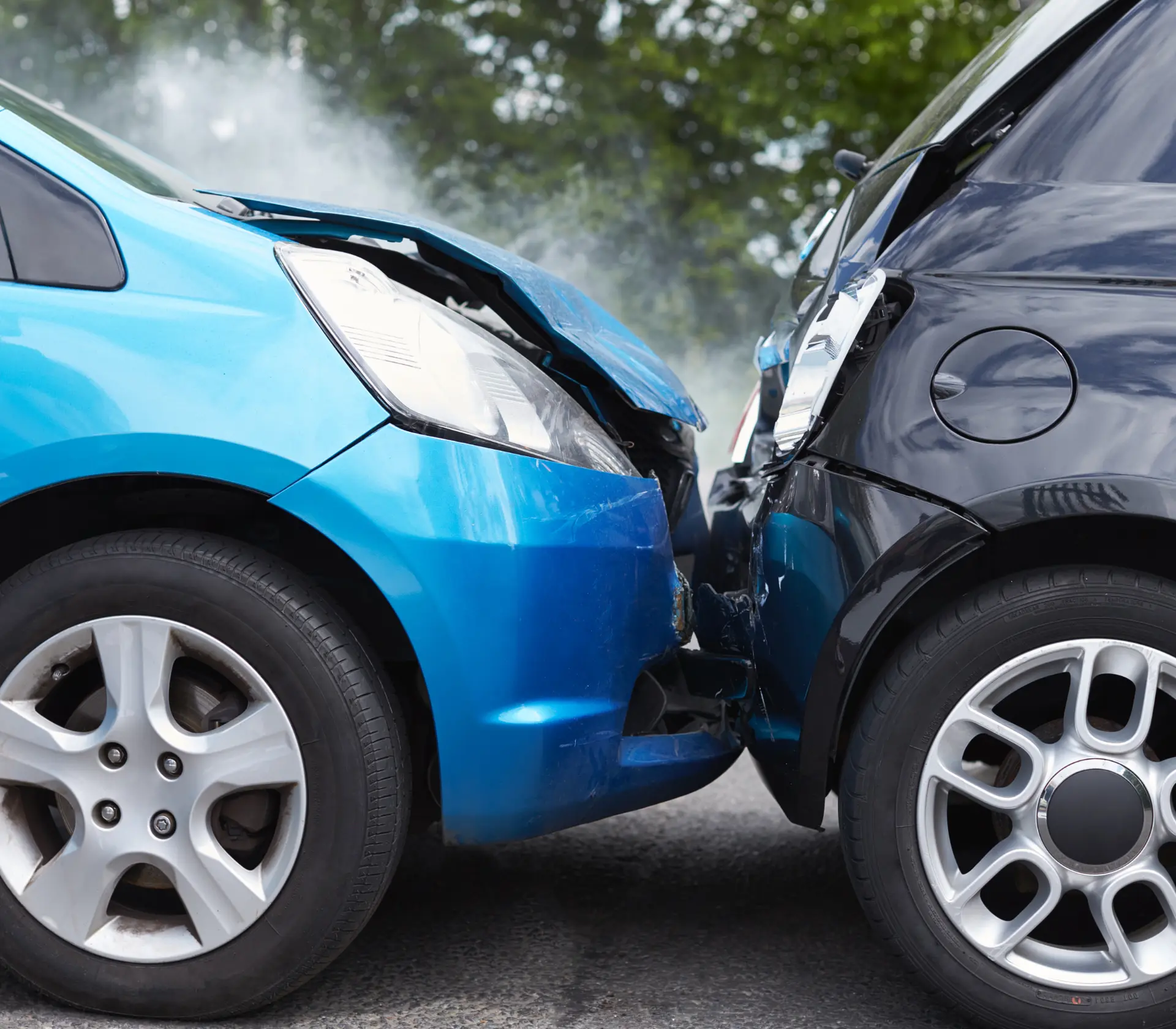
A rear-end crash may look minor in photos. The bumper may have a dent. The repair estimate may seem low. The vehicles may even be drivable after the accident.
But that does not mean the people inside the car were not hurt.
At Phillips & Pelly, we often see rear-end accident claims where the insurance company accepts that a crash happened but still disputes the injury. The insurer may say the impact was too small to cause neck pain, back pain, headaches, whiplash, or concussion symptoms. They may point to the vehicle damage and argue that your body could not have absorbed enough force to cause harm.
That argument is common. It is also too simple.
A rear-end crash can injure a person even when the car does not look badly damaged. The body can move forward and backward with force. The neck, back, head, shoulders, and spine can absorb that force in ways that do not always match the appearance of the vehicle.
If the insurance company says your rear-end crash was too minor to cause injury, you should not assume they are right. You should understand how these claims are disputed, what evidence can help, and why medical records matter.
Why Insurance Companies Focus on Vehicle Damage
Insurance companies often use photos and repair estimates to argue that a rear-end crash was “low impact.” They may claim that if the car does not look badly damaged, the person inside could not be badly hurt.
That argument can be misleading.
Cars are built to absorb impact in different ways. Bumpers, frames, seats, headrests, and safety systems may respond to force in ways that are not clear from a photo. A car may have limited visible damage, but the person inside may still suffer pain, stiffness, headaches, or concussion symptoms.
Vehicle damage is part of the evidence. It is not the whole case.
In a rear-end injury claim, the insurance company may also look at:
- The repair estimate
- Photos of both vehicles
- The speed of impact
- The position of the injured person’s body
- Whether the person was stopped or moving
- Whether the person’s head was turned
- Whether symptoms began soon after the crash
- Whether the person got medical care
- Whether there was prior neck, back, or head pain
These details can matter.
Rear-End Crashes Can Cause Whiplash and Back Injuries
Rear-end collisions often cause the body to move in a sudden forward-and-back motion. This can strain the muscles, ligaments, discs, joints, and nerves in the neck and back.
Whiplash is one of the most common injuries after a rear-end crash. It can cause neck pain, stiffness, headaches, shoulder pain, dizziness, and trouble turning the head. Some people feel symptoms right away. Others notice pain later that day or the next morning.
Back injuries can also occur. A rear-end crash may cause lower back pain, muscle strain, disc injuries, nerve pain, numbness, tingling, or pain that travels into the legs.
These injuries may not always appear clearly on an X-ray. That does not mean they are not real. Soft tissue injuries and some spinal injuries may require careful medical review, follow-up care, physical therapy, imaging, or pain management.
If your symptoms continue, it is important to keep treating and follow your doctor’s advice. Gaps in care can give the insurance company another reason to dispute your claim.
A Rear-End Crash Can Also Cause a Concussion
A concussion can happen even if your head does not hit the steering wheel, window, dashboard, or headrest. The force of a crash can cause the brain to move inside the skull.
After a rear-end accident, concussion symptoms may include headaches, dizziness, nausea, confusion, memory issues, trouble focusing, sleep problems, light sensitivity, noise sensitivity, or mood changes.
You should seek medical care if you notice these symptoms after a crash. You should also tell the doctor that you were in a rear-end collision and explain when the symptoms began.
This is important for your health. It also helps create a medical record that links your symptoms to the accident.
Why Delayed Pain Can Hurt Your Claim
Pain after a rear-end crash may not appear right away. Stress, shock, and adrenaline can affect how you feel at the scene. Some people tell the police officer or insurance adjuster that they are “okay” because they do not yet feel the full effect of the crash.
Insurance companies may use that against them later.
They may argue:
- You said you were fine at the scene.
- You waited too long to see a doctor.
- Your pain must have come from something else.
- Your symptoms are not serious.
- Your treatment was not related to the crash.
This is why early medical care matters. If you feel pain, headaches, stiffness, dizziness, numbness, tingling, or confusion after a crash, get checked. Do not wait and hope it goes away.
The California Courts Self Help Guide also reminds injury victims to keep evidence related to their injury and notes that people usually have two years to sue after an injury. That deadline can be shorter in some cases, so it is best to speak with a lawyer as soon as possible.
What California Law Says About Following Too Closely
Rear-end crashes often happen because a driver follows too closely or fails to stop in time. Under California Vehicle Code Section 21703, a driver must not follow another vehicle more closely than is reasonable and prudent based on speed, traffic, and roadway conditions.
California’s basic speed law may also matter. Under California Vehicle Code Section 22350, drivers must not drive faster than is safe for the conditions. This may apply when a driver rear-ends another vehicle in traffic, rain, glare, construction, or sudden-stop conditions.
In plain English, drivers must leave enough room to stop safely. When they fail to do that, they can cause serious harm.
What If the Insurance Company Says You Stopped Suddenly?
The insurance company may argue that you caused or partly caused the crash because you stopped suddenly. This is common in rear-end accident claims.
A sudden-stop argument does not end the case. Drivers still have a duty to watch the road, control their speed, and leave enough space to stop. In heavy traffic, sudden stops are common. A careful driver should be ready for traffic to slow or stop.
If the insurer claims you stopped suddenly, evidence may help answer that claim. Useful evidence may include the police report, witness statements, dashcam footage, traffic camera footage, vehicle damage, skid marks, road conditions, and the location of the crash.
In some cases, several vehicles may be involved. A driver may hit one car and push it into another. These chain-reaction crashes can involve more than one insurance company and more than one at-fault driver.
Evidence That Can Help Prove Your Injury Claim
When the insurance company says the crash was too minor, your claim needs clear evidence. The goal is to show both how the crash happened and how it affected your body.
Useful evidence may include:
- Photos of both vehicles
- Photos of the crash scene
- Police reports
- Witness statements
- Dashcam or surveillance video
- Repair estimates
- Emergency room records
- Medical records
- Physical therapy notes
- Imaging results
- Work restriction notes
- A clear timeline of symptoms and treatment
Your medical records are especially important. They help show when symptoms began, what treatment you needed, and whether your pain is tied to the crash.
If you had a prior neck, back, or head injury, tell your lawyer. A prior condition does not mean you have no claim. A crash can make an existing condition worse. The key is to document what changed after the accident.
Why You Should Be Careful With Recorded Statements
Insurance adjusters may ask for a recorded statement soon after the crash. They may make it sound routine. But early statements can create problems.
You may not know the full extent of your injuries yet. You may say you are “fine” before symptoms get worse. You may guess about speed, distance, or timing. The insurer may later use those statements to dispute your claim.
Before giving a recorded statement, speak with a lawyer. Once Phillips & Pelly represents you, we can handle insurance communications and help protect your claim from statements that are taken out of context.
How Phillips & Pelly Handles Rear-End Accident Injury Claims
At Phillips & Pelly, we understand that rear-end accident cases are not always about proving a crash happened. Often, the fight is about proving the injury.
We can review the crash facts, gather evidence, communicate with the insurance company, analyze medical records, and help document the full effect of your injuries. If the insurer claims the crash was too minor, we can push back with the facts.
Our firm has recovered more than $200 million for accident victims and brings more than 90 years of combined experience to injury claims. Phillips & Pelly includes former insurance defense lawyers, which helps us understand how insurers evaluate and attack claims.
If your rear-end crash caused neck pain, back pain, headaches, concussion symptoms, or spine injuries, you can also learn more about our San Diego car accident lawyers and spinal injury accident lawyers.
Speak With Phillips & Pelly After a Rear-End Crash
If the insurance company says your rear-end crash was too minor to cause injury, do not accept that answer without legal guidance. A low-damage crash can still cause real pain, medical bills, missed work, and long-term problems.
Phillips & Pelly can review your case, explain your options, and help protect your claim. We offer free case evaluations, and there is no fee unless we win.
Contact Phillips & Pelly today or call our team to speak with a San Diego rear-end accident lawyer.
Related Articles
-

Posted by Laura Yutzy on July 10th 2024 - Car Accidents, Personal Injury, Rear End Accident
Top 5 Steps to Take After a Car Accident in San Diego
-
Posted by Oliver Pelly on July 10th 2024 - Car Accidents, Personal Injury, Rear End Accident
Top 3 Reasons for Motorcycle Accidents in San Diego and How to Avoid Them
-

Posted by Laura Yutzy on October 14th 2026 - Car Accidents, Personal Injury, Rear End Accident
Personal Injury Settlements in San Diego: How They’re Calculated
-

Posted by Laura Yutzy on October 5th 2026 - Car Accidents, Personal Injury, Rear End Accident
Hit by a Car on Your Bike: Do You Need a Lawyer?