
Jet Ski Accidents in California: Understanding Liability and Your Rights
Posted by Laura Yutzy on April 3rd, 2026 - Truck Accidents
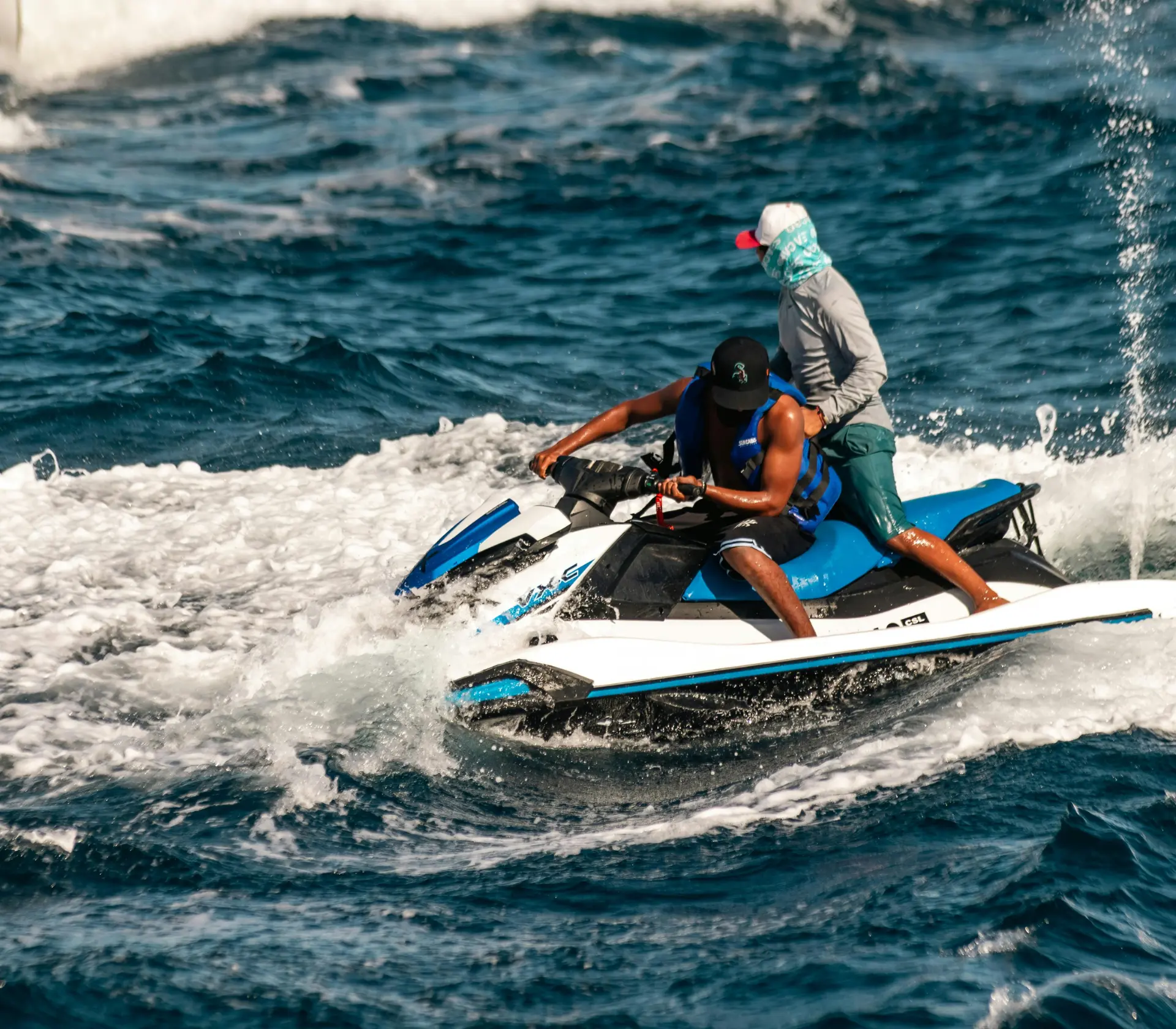
Jet ski accidents in California can lead to serious injuries, disputed liability, and complicated insurance claims. In many cases, responsibility may fall on the jet ski operator, another vessel operator, a rental company, or a business that failed to provide safe equipment or proper instruction. What matters most is not just that a crash happened, but who acted carelessly, what rules were violated, and what evidence still exists before the story starts changing. If your accident happened in San Diego County, Phillips & Pelly’s watersport accident lawyers page is the natural next step for readers who need broader help after a boating or personal watercraft injury.
That matters because these cases can involve serious injuries very quickly. Phillips & Pelly’s watersport page points to head and brain injuries, spinal cord injuries, fractures, drowning and near-drowning, and soft tissue injuries as recurring risks in water sport accident claims. Those are not minor recreational mishaps. They are the kinds of injuries that can trigger major medical costs, time away from work, and long fights with insurers over fault and damages.
Who Can Be Liable in California Jet Ski Accidents?
In many jet ski accidents in California, the first place to look is the conduct of the person operating the personal watercraft. California law requires a personal watercraft to be operated in a reasonable and prudent manner at all times, and it specifically describes dangerous close-range maneuvers and last-second evasive situations as unsafe or reckless operation. More broadly, California law also prohibits using any vessel or similar device in a reckless or negligent manner that endangers life, limb, or property. In plain English, that means speeding, weaving too close to others, wake-jumping near another vessel, or turning aggressively in crowded conditions can all become part of the liability analysis.
But the operator is not always the only liable party. Some cases involve a second rider, another vessel, or a rental or tour company that contributed to the accident by putting someone on the water without proper instruction, failing to maintain equipment, or allowing unsafe operation to continue. Phillips & Pelly’s own watersport page already frames these cases that way, noting that fault may involve operator negligence, equipment problems, or inadequate safety measures tied to the provider itself.
Rental Companies and Tour Operators in Jet Ski Accidents in California
One of the biggest mistakes people make after a jet ski crash is assuming the rental company cannot be responsible because the injured person signed paperwork. That is not always how these claims work. A waiver does not automatically erase every negligence issue, especially where the real dispute involves unsafe equipment, poor instruction, lack of supervision, or conduct that goes beyond the ordinary risks of the activity. I cannot confirm how any particular waiver would be enforced without reviewing the facts and the language involved, but as a liability matter, rental and commercial operators should not be treated as untouchable by default. The stronger question is whether the business acted reasonably under the circumstances and whether its conduct helped cause the injury. California’s general boating rules and Phillips & Pelly’s own treatment of watersport claims both support that broader negligence framework.
That is one reason these cases need a different mindset than a simple roadway collision. On the water, there may be less lasting scene evidence, fewer formal witnesses, and more immediate finger-pointing between riders, renters, and businesses. If the crash involved a rental, the paperwork, safety briefing, equipment condition, and incident report can become just as important as the physical impact itself. That is exactly the kind of case dynamic that can affect claim value before the injured person fully understands what happened.
What Rules Matter in Jet Ski Accidents in California?
The rules on the water can shape how jet ski accidents in California are evaluated. California law requires a lanyard-type engine cut-off switch to be properly attached on qualifying personal watercraft, and it also requires personal watercraft to be operated reasonably and prudently. Those rules matter because they create a concrete framework for evaluating whether the craft was being used safely before the collision happened.
Local rules can matter too. In San Diego, for example, the city’s boating regulations include five-mile-per-hour restrictions in certain Mission Bay areas, including near bridges, within 100 feet of shore, and within 100 feet of another vessel, and they note that Mission Bay has special-use areas for personal watercraft. That does not make every California jet ski case a Mission Bay case. It does show how local waterway rules can become highly relevant when a crash happens in a speed-restricted or specially regulated zone.
Why Evidence Matters After A Jet Ski Accident
One reason jet ski accidents in California can become difficult claims is that the evidence tends to disappear much faster than it does after a road crash. There may be no skid marks. Water conditions change immediately. Riders leave the area. Witnesses scatter. If the accident happened in a busy recreational zone, there may have been plenty of people around, but very little usable information gets preserved unless someone acts fast. That makes photos, video, rental documents, witness names, incident reports, and proof of equipment condition especially important.
This is also where people unintentionally damage their own cases. They guess about speed. They downplay pain. They give a quick statement before they understand the rules that applied or the full extent of the injuries. Phillips & Pelly’s site consistently positions the firm around stepping in before insurance companies control the narrative, and that framing fits jet ski cases well. When liability is still fluid and the evidence is thin, early statements can shape the entire file.
California Boating Accident Reporting Rules
California also has formal boating accident reporting requirements, and they matter more than many people realize. According to California State Parks’ Division of Boating and Waterways, a boat owner or operator must report an accident if it involves death, disappearance, injury requiring medical attention beyond first aid, property damage exceeding $500, or complete loss of a vessel. The reporting deadline is 48 hours for death within 24 hours, disappearance, or injury beyond first aid, and 10 days for certain other reportable accidents, including qualifying property damage. DBW also states that failure to submit a required report can be a misdemeanor punishable by a fine of up to $1,000, imprisonment of up to six months, or both.
That reporting requirement is not just a technicality. It can help lock in the timing of the accident, the people involved, the nature of the injuries first reported, and the basic facts before the case gets reframed by a rental company or insurer. In a jet ski claim, where facts move fast and responsibility is often disputed, that can matter a great deal.
Protecting Your Rights After Jet Ski Accidents
A jet ski crash can look casual from the outside and still involve a very real negligence claim. The insurance company may try to frame it as assumed recreational risk. A rental operator may try to reduce its role. Another rider may deny violating any rule. Meanwhile, the injured person is left dealing with pain, medical care, missed work, and a version of the event that may already be hardening against them.That is why these cases need to be evaluated early and carefully. Phillips & Pelly’s site emphasizes the firm’s long history representing injury victims in San Diego County, its more than 90 years of combined experience, and more than $200 million recovered for accident victims since 1997. If your jet ski accident happened in San Diego or involved serious injury, start with Phillips & Pelly’s watersport accident lawyers page or contact the firm before the insurance company or rental operator gets too much room to define the claim on its own terms.
Related Articles
-

Posted by Laura Yutzy on July 10th 2024 - Truck Accidents
Top 5 Steps to Take After a Car Accident in San Diego
-
Posted by Oliver Pelly on July 10th 2024 - Truck Accidents
Top 3 Reasons for Motorcycle Accidents in San Diego and How to Avoid Them
-

Posted by Laura Yutzy on October 14th 2026 - Truck Accidents
Personal Injury Settlements in San Diego: How They’re Calculated
-

Posted by Laura Yutzy on October 5th 2026 - Truck Accidents
Hit by a Car on Your Bike: Do You Need a Lawyer?