
What to Do After a Rear-End Accident in San Diego
Posted by Oliver Pelly on March 24th, 2026 - Car Accidents, Personal Injury
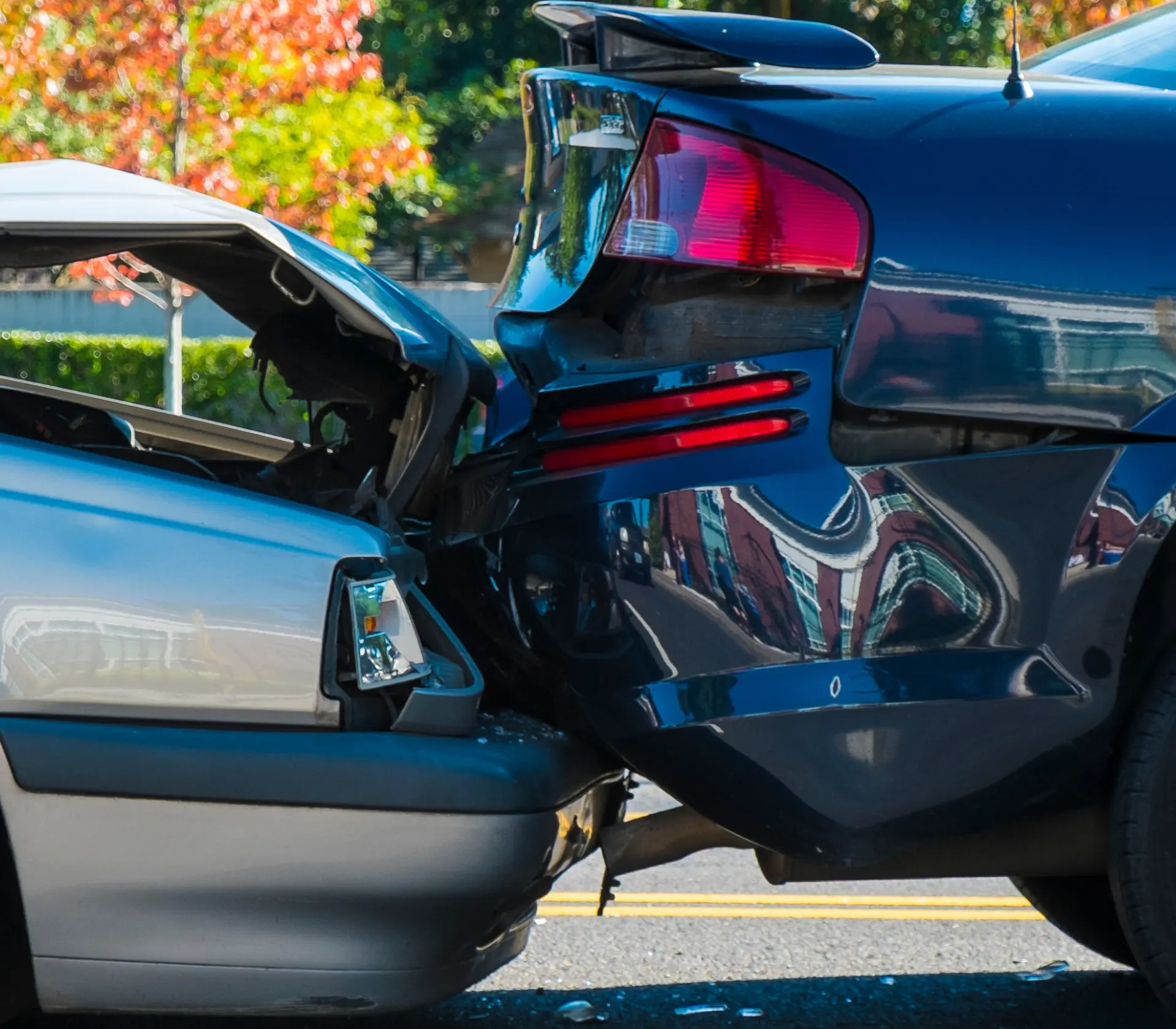
A rear-end accident in San Diego can leave you dealing with more than vehicle damage. Neck pain, headaches, missed work, medical bills, and early pressure from the insurance company often follow fast. Even when fault seems obvious, these claims can become complicated quickly. At Phillips & Pelly, we have seen insurers move just as quickly to question injuries, downplay treatment, and push for a low settlement before the full picture is clear. If you were hurt after being rear-ended, speaking with our San Diego car accident lawyers can help you protect the value of your claim from the start.
This article is focused on what to do in the hours and days after a rear-end crash. It is meant to be more practical than our existing post on rear-end collision laws in California, which is centered more on fault and legal liability. That distinction matters, both for readers and for search intent.
Get to safety and seek medical care as soon as possible
Your first priority is safety. If anyone is injured, call 911 immediately. If the vehicles can be moved, get out of traffic and exchange contact, driver’s license, registration, and insurance information. Then get checked out as soon as you can, even if you think the crash was minor. California DMV guidance requires drivers to report collisions meeting certain injury or damage thresholds, and it makes clear that DMV reporting is separate from any police or insurance report.
That medical step is critical in rear-end crashes because symptoms often do not peak at the scene. Mayo Clinic notes that whiplash symptoms often start within days, which is one reason insurers like to argue that delayed pain must have come from something else. Early evaluation protects your health and creates a timely record connecting your symptoms to the collision.
Report the collision and preserve as much evidence as you can
A rear-end crash can look straightforward on day one and become disputed by day three. The other driver may change their story. The insurance company may claim the impact was too slight to cause injury. They may argue you stopped suddenly or that some other factor caused the damage.
That is why you want an official record and your own documentation. Call law enforcement, take photos of the vehicles, roadway, debris, traffic controls, and any visible injuries, and get witness names if anyone saw the collision. This is consistent with the guidance Phillips & Pelly already gives in its older post on steps to take after a car accident in San Diego, but here the point is even more important because rear-end cases are so often treated like “easy” claims by insurers when they are anything but.
You also do not want to miss the California DMV filing requirement. The DMV requires an SR-1 report within 10 days if anyone was injured, no matter how slightly, or if property damage exceeds $1,000. That filing requirement applies whether you caused the crash or not, and the DMV warns that failing to file can lead to a suspension of your driving privilege.
Be careful when the insurance company calls
You should notify your own carrier promptly, but you should also be careful with every statement you make. Do not guess. Do not speculate. Do not minimize your condition before you have been properly evaluated. A simple comment like “I’m okay” or “I did stop short” can show up later as part of an argument that your injuries are minor or that you share the blame.
That is especially important in rear-end claims because insurance companies often start from the assumption that the claim should resolve quickly and cheaply. Phillips & Pelly’s existing site copy already speaks directly to this issue. The firm’s car accident page emphasizes that insurers are not on your side and are motivated to pay as little as possible, even where injuries are real and ongoing.
Do not assume fault will stay simple
In many rear-end accident cases, the driver in back is presumed to have been following too closely. California Vehicle Code section 21703 states that a driver shall not follow another vehicle more closely than is reasonable and prudent given traffic and roadway conditions. That is an important starting point in many rear-end claims.
But it is only a starting point. Insurers still try to create room to shift blame by arguing sudden braking, abrupt lane changes, malfunctioning brake lights, or chain-reaction circumstances. That is exactly why the firm’s existing rear-end collision laws in California post focuses so much on rebutting the idea that these cases are always simple. In practice, liability can be contested, and even a strong case can lose value if the evidence is not preserved early.
Keep your records organized and do not settle too fast
Rear-end accident cases are often won or lost in the details. Keep your medical records, bills, repair estimates, photos, wage-loss documentation, rental receipts, and all communication from insurers in one place. If symptoms worsen over time, make sure your treatment records reflect that clearly and consistently.
This matters because once a settlement is signed, the claim is usually over. You generally do not get to come back later because your neck pain turned into ongoing treatment, your headaches became more severe, or time away from work lasted longer than expected. With a rear-end crash, the pressure to settle early is often strongest before the medical picture is fully developed.
Talk to a San Diego rear-end accident lawyer before accepting any offer
When the insurance company moves quickly after a rear-end crash, it is usually trying to control the claim before you do. That does not mean every case needs a lawsuit, but it does mean you should understand what your claim may actually involve before agreeing to anything.
Phillips & Pelly’s car accident page states that the firm has served San Diego injury victims since 1997, has more than 90 years of combined experience, and has recovered over $200 million for accident victims. More importantly, the firm positions itself around knowing how insurers operate and building claims with evidence from the start. If you are dealing with ongoing pain, missed income, disputed fault, or pressure from an adjuster, that is exactly when legal guidance can make a difference. Learn more on the firm’s San Diego car accident lawyers page or review its article on rear-end collision laws in California.
Related Articles
-
Posted by Laura Yutzy on July 10th 2024 - Car Accidents, Personal Injury
Top 5 Steps to Take After a Car Accident in San Diego
-
Posted by Oliver Pelly on July 10th 2024 - Car Accidents, Personal Injury
Top 3 Reasons for Motorcycle Accidents in San Diego and How to Avoid Them
-

Posted by Laura Yutzy on October 14th 2026 - Car Accidents, Personal Injury
Personal Injury Settlements in San Diego: How They’re Calculated
-

Posted by Laura Yutzy on October 5th 2026 - Car Accidents, Personal Injury
Hit by a Car on Your Bike: Do You Need a Lawyer?