
Who Is at Fault in a T-Bone Accident in California?
Posted by Laura Yutzy on May 6th, 2026 - Car Accidents, Personal Injury

T-bone accidents often happen fast. One driver enters an intersection. Another driver crosses, turns, or fails to stop. In seconds, the front of one vehicle strikes the side of another.
After the crash, both drivers may tell different stories. One may say they had the green light. Another may say the other car came out of nowhere. A witness may remember the crash one way. The insurance company may see it another way.
So who is at fault in a T-bone accident in California?
The answer depends on right-of-way, traffic laws, witness statements, video footage, vehicle damage, and the full crash facts. In many cases, the at-fault driver is the person who ran a red light, failed to yield, rolled through a stop sign, or turned left when it was not safe.
At Phillips & Pelly, we help injured people after serious intersection crashes and side-impact collisions across San Diego County. Our San Diego car accident lawyers know how to investigate T-bone accidents, preserve evidence, and push back when insurance companies try to shift blame.
What Is a T-Bone Accident?
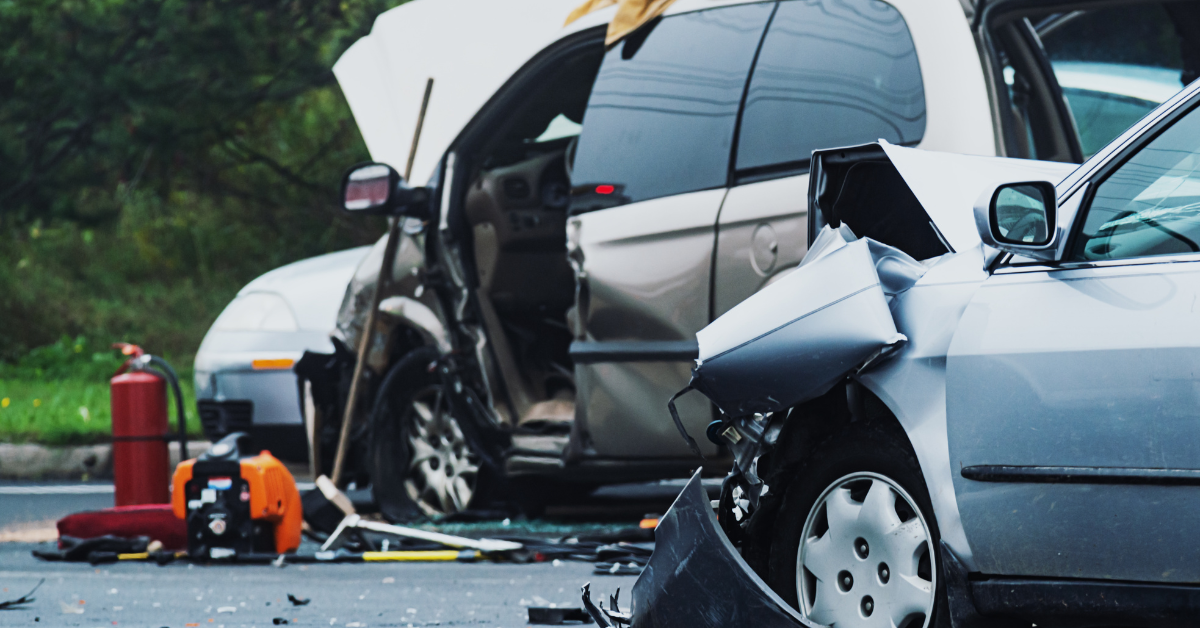
A T-bone accident is a side-impact crash. It happens when the front of one vehicle hits the side of another. These crashes often happen at intersections, parking lot exits, freeway ramps, and driveways.
T-bone crashes can cause serious injuries because the side of a vehicle gives people less protection than the front or rear. The force of the impact may strike near the driver or passenger door.
Common injuries include concussions, neck injuries, back injuries, shoulder injuries, broken bones, internal injuries, spine injuries, and traumatic brain injuries.
The crash type matters, but fault depends on conduct. The key question is not only who hit whom. The key question is who had the legal right to be where they were when the crash happened.
The Most Important Question: Who Had the Right of Way?
Most T-bone accident cases turn on right-of-way. A driver may be at fault if they entered the intersection when they should have stopped or yielded.
A driver may cause a T-bone accident by:
- Running a red light
- Rolling through a stop sign
- Turning left across oncoming traffic
- Failing to yield
- Speeding into an intersection
- Driving while distracted
- Driving under the influence
- Entering traffic from a side street or driveway too soon
The insurance company will look for any reason to argue that both drivers share fault. That is why evidence matters.
Red Light T-Bone Accidents
Red light crashes are a common cause of T-bone accidents. Under California Vehicle Code Section 21453, a driver facing a steady red light must stop before entering the intersection, crosswalk, or marked limit line.
If a driver runs a red light and hits a vehicle traveling through the intersection, that violation can be strong evidence of fault.
But red light cases are often disputed. The at-fault driver may deny running the light. They may say the light was yellow. They may claim the other vehicle sped up. They may argue the injured person should have stopped sooner.
In these cases, we look for traffic camera footage, dashcam video, nearby business video, witness statements, and police findings. If video is available, it may answer the most important question in the case.
Left-Turn T-Bone Accidents
Left-turn crashes are another common cause of side-impact collisions. These crashes often happen when a driver turns across oncoming traffic and misjudges the speed or distance of another vehicle.
Under California Vehicle Code Section 21801, a driver turning left or making a U-turn must yield to oncoming vehicles that are close enough to create a hazard.
This rule often matters when one driver turns left and another vehicle strikes the side of the turning car, or when the turning driver strikes the side of a vehicle traveling straight.
A left-turn driver is not always at fault. The other driver may have been speeding, running a red light, driving without headlights, or acting in a way that changed the risk. But the left-turn driver is often reviewed closely because they had a duty to yield before turning.
Stop Sign and Failure-to-Yield Crashes
Stop sign violations can also lead to T-bone accidents. Under California Vehicle Code Section 22450, drivers approaching a stop sign must stop at the limit line, crosswalk, or entrance to the intersecting roadway.
A rolling stop can cause a serious crash if the driver enters the intersection too soon. These cases may involve neighborhood roads, school zones, commercial areas, or rural intersections with poor visibility.
Right-of-way rules may also apply when two vehicles reach an intersection at close to the same time. Under California Vehicle Code Section 21800, right-of-way can depend on the order in which vehicles enter the intersection and whether a driver fails to yield when required.
In plain English, drivers must stop when the law requires it. They must also yield when another vehicle has the legal right to proceed.
What If Both Drivers Share Fault?
California uses comparative fault in personal injury cases. This means an injured person may still recover compensation even if they are found partly responsible. But the recovery may be reduced by the person’s share of fault.
For example, if an injured person has $100,000 in damages and is found 20% at fault, the recovery may be reduced by 20%.
Insurance companies often use comparative fault to reduce claims. They may argue that the injured person was speeding, distracted, not watching the road, or failed to avoid the crash.
This is why evidence is important. The insurer cannot simply assign blame because it helps them pay less. They need facts.
Evidence That Helps Prove Fault in a T-Bone Accident
A T-bone accident claim often depends on evidence collected soon after the crash. Memories fade. Video can be erased. Vehicles are repaired. Road conditions may change.
Helpful evidence may include:
- Police reports
- Traffic camera footage
- Dashcam video
- Nearby business surveillance video
- Witness statements
- Photos of the intersection
- Photos of vehicle damage
- Traffic signal timing information
- Skid marks and debris
- Cell phone records in distracted driving cases
- Accident reconstruction analysis
Vehicle damage can also help show how the crash happened. The location of the impact, crush pattern, and rest positions of the vehicles may support one version of the crash over another.
San Diego T-Bone Accident Risks
T-bone accidents can happen anywhere in San Diego County, but they are common in areas where traffic, turns, pedestrians, rideshare drivers, and freeway access overlap.
These crashes may happen in Downtown San Diego, Mission Valley, UTC, Fashion Valley, Chula Vista, La Jolla, Pacific Beach, North Park, El Cajon, Oceanside, Carlsbad, and near major roads like I-5, I-8, I-15, I-805, SR-52, SR-94, and SR-163.
Local traffic patterns can matter. A crash near a freeway ramp may involve merging or sudden lane changes. A crash near a beach area may involve drivers looking for parking or watching GPS directions. A crash near a shopping center may involve pedestrians, stop signs, left turns, and cross traffic.
At Phillips & Pelly, we look at the crash location, road layout, traffic controls, video sources, and witness availability when we evaluate fault.
Why Insurance Companies Dispute T-Bone Accident Claims
Insurance companies often dispute T-bone accident claims because right-of-way can be hard to prove without video. If each driver gives a different version of the crash, the insurer may delay the claim or blame both drivers.
They may argue that:
- You ran the light.
- You were speeding.
- You should have seen the other car.
- You could have stopped sooner.
- The other driver had the right of way.
- Your injuries are not linked to the crash.
These arguments can affect both fault and damages. A lawyer can help gather evidence, deal with the insurer, and protect the claim from blame-shifting.
How Phillips & Pelly Helps After a T-Bone Accident
Phillips & Pelly helps injured people after serious side-impact collisions and intersection crashes. We investigate the crash, gather evidence, review medical records, speak with witnesses, handle insurance communications, and pursue the compensation available under California law.
Our firm has recovered more than $200 million for accident victims and brings more than 90 years of combined experience to personal injury cases. Phillips & Pelly includes former prosecutors and former insurance defense lawyers, which helps us understand how claims are evaluated and defended.
If you were injured in a T-bone accident, you can also learn more about our San Diego T-bone accident lawyers, car accident lawyers, and case results.
Speak With a San Diego T-Bone Accident Lawyer
If you were hurt in a T-bone accident, do not wait for the insurance company to decide who was at fault. Evidence can disappear. Witnesses can become harder to reach. Early statements can be used against you.
Phillips & Pelly can review your case, explain your options, and protect your claim from unfair blame. Contact us for a free case evaluation. There is no fee unless we win.
Related Articles
-
Posted by Laura Yutzy on July 10th 2024 - Car Accidents, Personal Injury
Top 5 Steps to Take After a Car Accident in San Diego
-

Posted by Oliver Pelly on July 10th 2024 - Car Accidents, Personal Injury
Top 3 Reasons for Motorcycle Accidents in San Diego and How to Avoid Them
-

Posted by Laura Yutzy on October 14th 2026 - Car Accidents, Personal Injury
Personal Injury Settlements in San Diego: How They’re Calculated
-
Posted by Laura Yutzy on October 5th 2026 - Car Accidents, Personal Injury
Hit by a Car on Your Bike: Do You Need a Lawyer?