
Why Commercial Vehicle Accident Claims Are Fought More Aggressively Than Regular Car Accident Cases
Posted by Laura Yutzy on March 5th, 2026 - Personal Injury, Truck Accidents
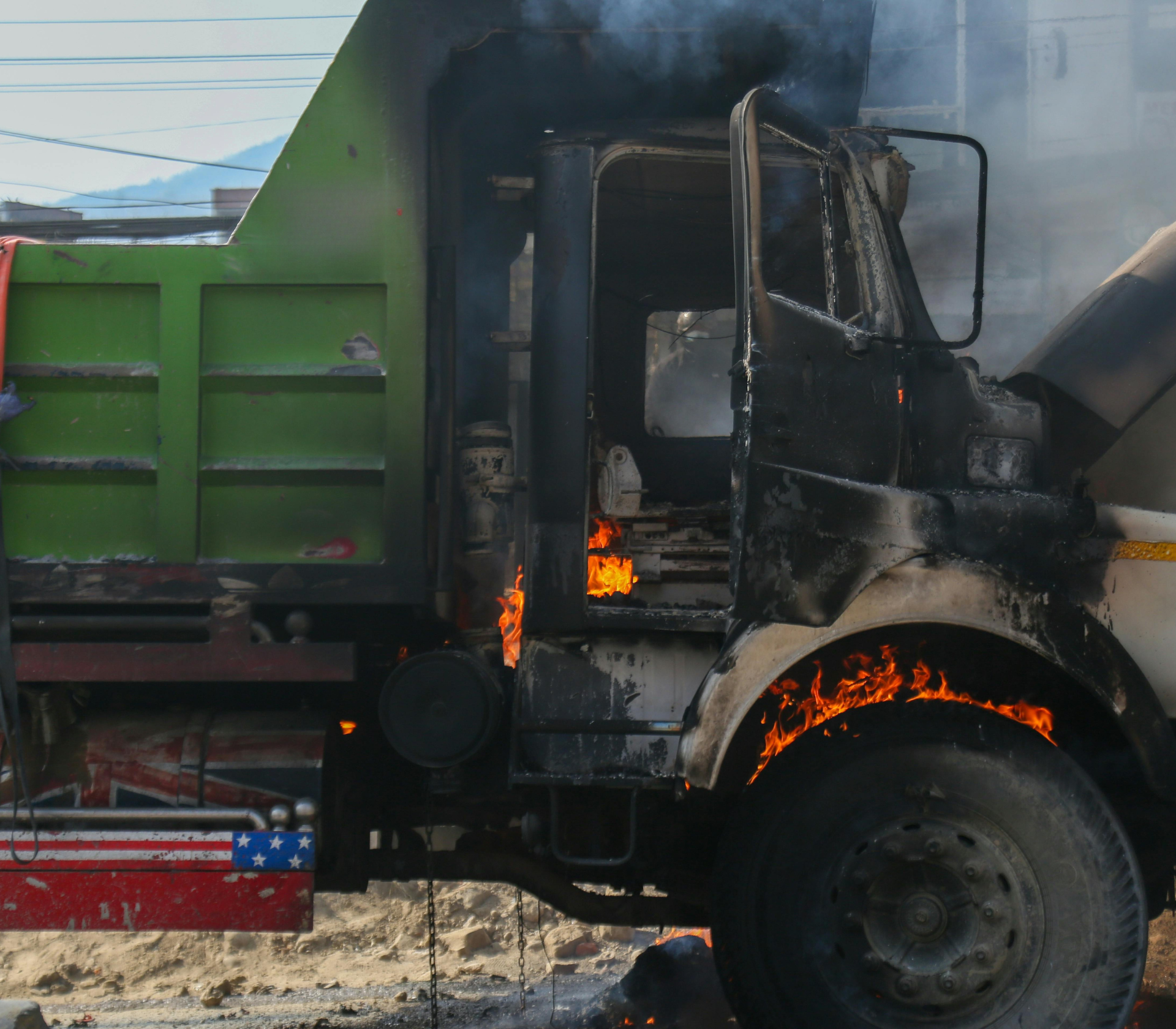
After a car accident involving two private vehicles, insurance adjusters typically conduct investigations remotely, review police reports, and negotiate settlements based on documented damages and clear liability.
Commercial vehicle accidents operate differently.
Trucking companies and their insurers often deploy accident response teams to crash sites within hours. Corporate legal departments become involved immediately. Defense strategies are implemented before injured parties have consulted with counsel.
This aggressive approach is not coincidental. It reflects the substantially higher financial exposure, regulatory implications, and potential operational consequences that commercial vehicle accidents create for trucking companies and their insurers.
Understanding why these cases receive disproportionate defensive resources helps explain why truck accident victims frequently require specialized legal representation to protect their interests.
Financial Stakes Substantially Exceed Standard Auto Claims
The primary driver of aggressive defense in commercial vehicle cases is financial exposure.
Higher Policy Limits Create Larger Targets
Federal Motor Carrier Safety Administration (FMCSA) regulations require commercial carriers to maintain minimum insurance coverage of:
- $750,000 for general freight carriers
- $1 million for carriers of non-hazardous property
- $5 million for carriers of hazardous materials
These policy limits far exceed the $15,000/$30,000 minimum requirements for private passenger vehicles in California.
When accidents involve catastrophic injuries such as traumatic brain damage or spinal cord injuries, the difference between a $30,000 private auto policy and a $1 million commercial policy creates dramatically different settlement dynamics.
Multiple Claim Exposure
Commercial vehicle accidents frequently involve multiple injured parties. A single crash can generate claims from:
- Multiple vehicle occupants
- Pedestrians or cyclists
- Property damage to multiple vehicles or structures
- Cargo damage claims
- Business interruption claims
Each additional claimant increases total exposure, incentivizing aggressive early defense to minimize per-claim payouts and preserve policy limits for potential litigation.
Corporate Defendants Face Consequences Beyond Individual Claims
Individual drivers involved in accidents typically face financial consequences limited to that specific incident. Corporate defendants face broader implications.
Regulatory Scrutiny and Compliance Risk
Serious commercial vehicle accidents trigger Federal Motor Carrier Safety Administration investigations that examine not just the specific accident but broader company safety practices.
Findings of systematic violations can result in:
- Increased safety monitoring requirements
- Higher insurance premiums
- Conditional operating authority
- Potential loss of operating licenses
This regulatory exposure creates incentives to contest accident findings aggressively, particularly when driver behavior could suggest broader company safety deficiencies.
Reputational and Business Impact
Large settlements or verdicts generate public attention that can affect:
- Customer confidence and contract renewals
- Ability to attract and retain qualified drivers
- Insurance availability and premium rates
- Competitive bidding for transportation contracts
Corporate defendants therefore invest substantial resources in controlling narrative and limiting liability findings that could affect business operations beyond the immediate claim.
Immediate Response Capabilities Not Available to Individual Defendants
When two private vehicles collide, both parties typically wait for police response and handle aftermath through their respective insurance companies. Commercial defendants operate differently.
Accident Response Teams
Many large carriers maintain or contract with accident response teams that deploy to crash sites immediately. These teams:
- Document scene conditions before evidence is disturbed
- Interview witnesses while recollections are fresh
- Photograph vehicle positions and road conditions
- Secure electronic logging device (ELD) and GPS data
- Assess cargo and loading factors
This immediate response provides evidentiary advantages not available when investigations begin days or weeks after accidents occur.
Legal Resources Deployed Pre-Litigation
Corporate defendants typically involve legal counsel before claims are even filed. This early involvement allows:
- Preservation of favorable evidence
- Identification of alternative liability theories
- Early assessment of regulatory exposure
- Strategic communication with insurers and regulators
Individual defendants rarely have legal representation during initial insurance investigation phases, creating asymmetric information and tactical advantages for commercial parties.
Sophisticated Defense Strategies Target Liability and Damages
Commercial defendants employ defense strategies specifically tailored to trucking accident litigation.
Shifting Liability to Other Parties
Trucking accident liability can potentially extend to:
- The driver
- The trucking company
- Cargo loaders
- Maintenance contractors
- Vehicle or equipment manufacturers
- Highway design or maintenance authorities
Defense strategies often focus on identifying and attributing fault to parties other than the trucking company, particularly independent contractors or third parties without substantial insurance coverage.
Attacking Damage Valuations
Even when liability is clear, commercial defendants aggressively contest damage amounts through:
- Independent medical examinations questioning injury severity
- Surveillance to document physical capabilities
- Vocational analysis claiming continued earning capacity
- Life care plan challenges regarding future medical needs
These tactics reflect recognition that even modest percentage reductions in damage awards produce substantial savings when policy limits and potential verdicts are high.
Delay Tactics and Settlement Timing
Commercial defendants often employ delay strategies designed to:
- Pressure financially stressed claimants to accept lower settlements
- Allow injuries to reach maximum medical improvement before valuation
- Extend discovery to increase claimant legal costs
- Approach statute of limitations deadlines to increase settlement pressure
These strategies reflect sophisticated understanding of litigation economics and claimant financial vulnerabilities.
Contractual and Insurance Structures Create Multiple Defense Layers
Commercial vehicle insurance operates through complex contractual structures that differ fundamentally from private auto coverage.
Independent Contractor Classifications
Many trucking companies classify drivers as independent contractors rather than employees. This classification creates arguments that:
- The trucking company is not vicariously liable for driver negligence
- The driver’s personal insurance should cover claims
- The company’s role was limited to hiring and logistics
These arguments, even when ultimately unsuccessful, create additional litigation complexity and delay that benefit defendants.
Multiple Insurance Policies and Coverage Disputes
Commercial vehicle accidents may implicate:
- The driver’s personal auto policy
- The trucking company’s commercial auto liability policy
- Excess or umbrella policies
- Cargo insurance
- General liability policies
Disputes over which policy applies primary coverage and policy limit interpretation create opportunities for defendants to delay resolution and reduce settlement pressure.
Legal Team Composition Reflects Commercial Stakes
The legal resources deployed in commercial vehicle cases differ substantially from standard auto accident representation.
In-House Counsel and Retained Defense Firms
Large trucking companies typically maintain in-house legal departments that:
- Oversee accident response protocols
- Coordinate with external defense counsel
- Manage relationships with insurers and regulators
- Develop company-wide risk management strategies
When litigation becomes likely, these companies retain specialized defense firms with trucking industry expertise, accident reconstruction capabilities, and trial experience in complex commercial cases.
Expert Witness Networks
Commercial defendants maintain relationships with expert witnesses in:
- Accident reconstruction
- Trucking industry standards and practices
- Federal and state regulatory compliance
- Biomechanical engineering and injury causation
- Economic damages and life care planning
These expert networks are deployed early in cases to develop defense theories and challenge plaintiff evidence, creating substantial litigation costs for claimants who must retain competing experts.
California-Specific Factors Affecting Commercial Vehicle Defense
California law creates particular considerations that influence defense strategies in commercial vehicle cases.
Pure Comparative Negligence Application
California’s pure comparative negligence rule allows recovery even when claimants are partially at fault, but reduces compensation proportionally.
This creates strong incentives for commercial defendants to assert comparative fault arguments, as even minor fault percentages attributed to claimants produce substantial savings on high-value claims.
For more on how comparative fault affects different accident types, see our discussion of comparative negligence in car accidents.
Vicarious Liability Standards
California law holds employers vicariously liable for employee negligence within the scope of employment. This creates incentives for trucking companies to:
- Classify drivers as independent contractors where legally defensible
- Document actions outside scope of employment
- Identify intervening acts breaking causal chains
These arguments, even when weak, create litigation complexity that benefits defendants.
How Specialized Legal Representation Levels the Playing Field
The disparity in resources between commercial defendants and individual claimants creates practical barriers to recovery without experienced legal representation.
Evidence Preservation and Development
Attorneys representing truck accident victims can:
- Issue preservation letters preventing evidence destruction
- Subpoena electronic logging device data, maintenance records, and driver qualification files
- Retain accident reconstruction experts
- Obtain Federal Motor Carrier Safety Administration violation histories
- Access driver hours-of-service records
This evidence development counters the advantages commercial defendants gain through immediate accident response.
Expert Resource Access
Experienced trucking accident attorneys maintain relationships with experts in:
- Commercial vehicle operation and federal regulations
- Accident reconstruction specific to commercial vehicles
- Medical specialties treating traumatic injuries
- Economic and vocational analysis for catastrophic injury cases
These resources allow claimants to present evidence matching the sophistication of corporate defense presentations.
Understanding Defense Strategies
Attorneys with trucking litigation experience recognize standard defense tactics and can:
- Anticipate liability-shifting arguments
- Counter independent contractor defenses
- Navigate complex insurance coverage issues
- Resist delay tactics and settlement timing strategies
This experience is particularly valuable given that most truck accident victims face litigation for the first time while corporate defendants defend similar cases routinely.
For detailed information on proving liability in truck accidents, see our guide on overloaded truck accidents.
When Professional Evaluation Is Particularly Important
Certain case characteristics suggest that the aggressive defense resources typical of commercial vehicle cases make professional legal evaluation essential:
- Accidents involving serious or catastrophic injuries
- Cases where the trucking company disputes liability
- Situations involving independent contractor drivers
- Accidents where regulatory violations may be involved
- Cases with multiple potentially liable parties
- Claims approaching California’s two-year statute of limitations
Early consultation allows injured parties to understand the defensive resources they face and to implement countermeasures before evidence is lost or defense strategies become entrenched.
For information on related commercial vehicle issues, see our discussion of Amazon delivery truck accidents.
Conclusion: The Disparity Reflects Financial and Regulatory Stakes
Commercial vehicle accidents are defended more aggressively than standard auto accidents because they involve substantially higher financial exposure, regulatory consequences, and business implications for corporate defendants.
This aggressive defense manifests through immediate accident response, sophisticated legal strategies, substantial expert resources, and complex insurance structures designed to minimize liability and reduce claim values.
Individual claimants attempting to navigate these defenses without specialized legal representation face significant disadvantages in evidence preservation, expert access, and strategic positioning.
Understanding why commercial defendants deploy these resources helps explain why trucking accident cases require different approaches than standard automobile accident claims.
If you have been injured in a commercial vehicle accident, professional legal evaluation can clarify the defensive strategies you may face and identify approaches to protect your recovery despite corporate defendant advantages.
For a case evaluation, contact Phillips & Pelly at 858-794-1700.
Serving San Diego County including Carlsbad, Encinitas, Del Mar, La Jolla, Oceanside, Chula Vista, and surrounding communities.
About Phillips & Pelly
Phillips & Pelly has represented personal injury claimants in San Diego County since 1997. The firm’s attorneys include former prosecutors and former insurance defense lawyers who understand both corporate defense strategies and insurance company claim evaluation methods. Phillips & Pelly has recovered over $200 million in settlements and verdicts for injury victims throughout Southern California, including significant recoveries in complex commercial vehicle cases.
Related Articles
-
Posted by Laura Yutzy on July 10th 2024 - Personal Injury, Truck Accidents
Top 5 Steps to Take After a Car Accident in San Diego
-

Posted by Oliver Pelly on July 10th 2024 - Personal Injury, Truck Accidents
Top 3 Reasons for Motorcycle Accidents in San Diego and How to Avoid Them
-

Posted by Laura Yutzy on October 14th 2026 - Personal Injury, Truck Accidents
Personal Injury Settlements in San Diego: How They’re Calculated
-

Posted by Laura Yutzy on October 5th 2026 - Personal Injury, Truck Accidents
Hit by a Car on Your Bike: Do You Need a Lawyer?