
Understanding Rear-End Collision Laws in California
Posted by Laura Yutzy on July 17th, 2025 - Truck Accidents
Understanding Rear-End Collision Laws in California
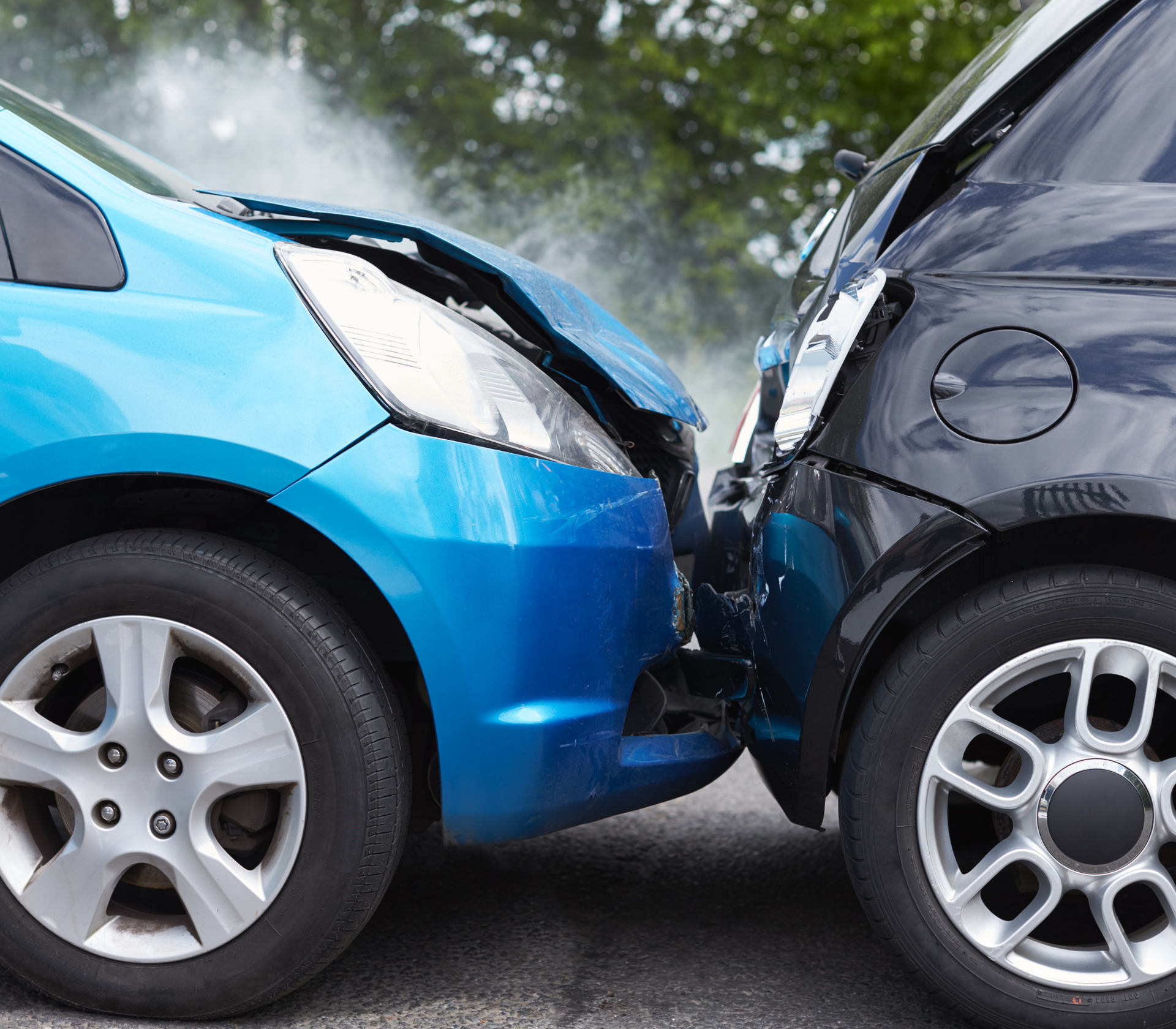
Rear-end crashes are among the most common motor vehicle accidents in California, often assumed to be the fault of the driver who hit from behind. While this presumption exists under California traffic law, it is not absolute. Fault in a rear-end collision can be determined and even challenged based on the circumstances of the accident.
At Phillips & Pelly, we’ve seen how insurance companies use the “rear driver is always at fault” assumption to quickly deny or minimize claims. Our role is to break down that presumption by proving negligence where it truly lies.
For legal context, see the California Vehicle Code Section 21703, which prohibits drivers from following too closely.
Why the Rear Driver Is Usually Presumed at Fault
California law presumes the rear driver is negligent because drivers are expected to maintain a safe following distance and to anticipate sudden stops. If a driver fails to do so and collides with the vehicle ahead, liability often rests with them.
However, presumptions are rebuttable — meaning fault can shift under the right evidence. This is where comparative negligence law becomes critical.
California follows pure comparative negligence, meaning fault can be divided among multiple parties. Even if you are partially at fault, you may still recover damages reduced by your percentage of fault.
Circumstances That Challenge the Presumption of Fault
Rear-end collisions are not always straightforward. Fault may shift away from the rear driver when:
- The front driver makes a sudden, unnecessary stop.
- The front driver reverses unexpectedly.
- Brake lights or tail lights on the lead vehicle were not functioning.
- The collision involved multiple vehicles in a chain reaction.
These scenarios can create strong legal defenses for the rear driver — and additional pathways for victims to establish liability.
For background on California’s comparative negligence system, see the California Civil Jury Instructions (CACI 405).
How Insurance Companies Challenge Fault in Rear-End Collisions
Insurers are aggressive in using comparative negligence to reduce payouts. Even when their driver was clearly following too closely, they may argue that the lead driver contributed to the crash. Common tactics include:
- Claiming the lead driver braked without reason.
- Highlighting distracted driving by the lead driver.
- Arguing improper lane changes contributed to the collision.
Without strong legal representation, accident victims may see their compensation unfairly reduced.
How Phillips & Pelly Build Rear-End Collision Claims
Our team leverages decades of experience to hold negligent drivers accountable in California rear-end accident claims. We investigate beyond surface-level assumptions, focusing on:
- Crash reconstruction with expert testimony.
- Vehicle inspections for brake and light defects.
- Witness testimony to challenge false insurer narratives.
- Comparative negligence arguments to protect victims from unfair blame.
We know insurers rely on assumptions. Our job is to present evidence that shifts the narrative in your favor.
Contact Phillips & Pelly: California Car Accident Lawyers
If you’ve been injured in a rear-end collision in California, don’t assume the law automatically works against you. Liability can be challenged — and the right evidence can change the outcome.
Contact Phillips & Pelly today at (858) 794-1700 or visit our San Diego Car Accident Lawyers page for a free consultation. We’ll fight to ensure fault is determined fairly and that you recover the compensation you deserve.
Related Articles
-
Posted by Laura Yutzy on July 10th 2024 - Truck Accidents
Top 5 Steps to Take After a Car Accident in San Diego
-

Posted by Oliver Pelly on July 10th 2024 - Truck Accidents
Top 3 Reasons for Motorcycle Accidents in San Diego and How to Avoid Them
-
Posted by Laura Yutzy on April 30th 2026 - Truck Accidents
Insurance Says Your Rear-End Crash Was Too Minor? What to Know
-

Posted by Laura Yutzy on April 23rd 2026 - Truck Accidents
Uber Accidents in San Diego: Insurance, Liability, and Your Rights